by shimmerzd | Feb 1, 2026 | Blog
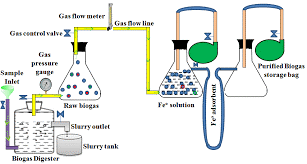
Hydrogen sulphide (H₂S) is one of the most critical contaminants present in raw biogas produced from anaerobic digestion. Although it is typically present in trace concentrations compared to methane and carbon dioxide, its impact on plant reliability, safety, and...

by shimmerzd | Jan 13, 2026 | Blog
Introduction Compressed Biogas (CBG) projects are increasingly positioned as a strategic solution to address India’s energy security, waste management challenges, and decarbonization goals. As policy support strengthens and market demand for clean gaseous fuels grows,...
by shimmerzd | Jan 12, 2026 | Blog
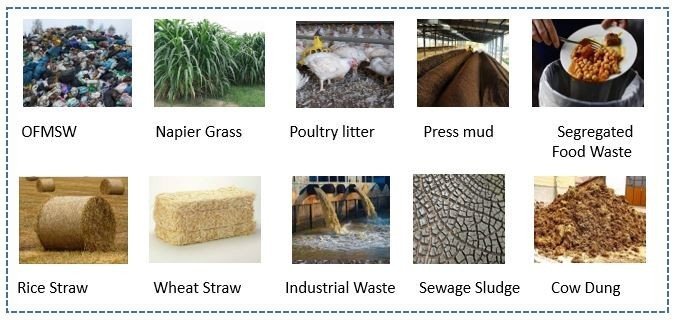
Introduction Compressed Biogas (CBG) plants are increasingly recognized as a pivotal component of India’s renewable energy landscape, supporting national objectives related to energy security, circular economy development, and sustainable waste management. While...
by shimmerzd | Dec 14, 2025 | Blog
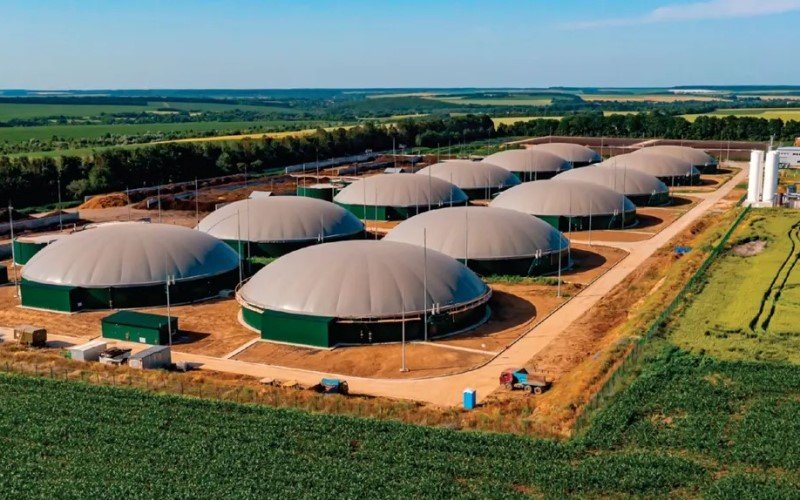
Introduction The global energy landscape is undergoing a significant transformation as nations strive to reduce greenhouse gas emissions, improve air quality, and transition toward sustainable energy systems. In this context, Compressed Bio-Gas (CBG) has emerged as a...
by shimmerzd | Dec 14, 2025 | Blog
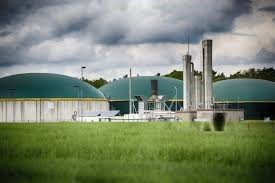
Introduction Compressed Bio-Gas (CBG), commonly referred to as Bio-CNG, is rapidly gaining prominence as a clean, renewable, and indigenous alternative to fossil-based compressed natural gas. Derived from organic waste through anaerobic digestion, CBG aligns strongly...