



Introduction
Compressed Biogas (CBG) is an eco-friendly, renewable, and sustainable alternative to conventional fossil fuels. It is produced from the purification and compression of raw biogas, which is generated through the process of anaerobic digestion — the natural breakdown of organic matter such as agricultural residues, cattle dung, municipal solid waste, sewage sludge, and other biodegradable materials in the absence of oxygen.
Raw biogas typically contains 55–60% methane (CH₄), 40–45% carbon dioxide (CO₂), and small quantities of hydrogen sulphide (H₂S) and moisture. To convert it into CBG, the gas is purified to remove CO₂, H₂S, and water vapour, resulting in ~95% pure methane, similar in composition and energy potential to Compressed Natural Gas (CNG). This purified biogas is then compressed to a pressure of 200–250 bar, making it suitable for storage and transport in high-pressure cylinders.
This beginner’s guide will help you understand:
- Biogas – A Renewable Energy Source
- Production Process of Compressed Biogas
- Difference between Biogas, CBG and CNG
- Applications of CBG
- Advantages of CBG
- Government Initiatives and Policies
· Challenges in CBG Adoption
- Conclusion
Biogas – A Renewable Energy Source
Biogas is a renewable and sustainable energy source produced through the anaerobic decomposition of organic matter by microorganisms in the absence of oxygen. It is considered one of the most effective alternatives to conventional fossil fuels, as it simultaneously addresses energy demand and waste management challenges. Biogas primarily consists of methane (CH₄), which is the combustible component, and carbon dioxide (CO₂), along with minor quantities of hydrogen sulfide (H₂S), ammonia (NH₃), and moisture. Methane provides the energy value of the gas, while impurities such as CO₂ and H₂S reduce its calorific value and require removal for efficient utilization.
Sources of Biogas
The production of biogas depends on the availability of biodegradable organic materials. Common sources include:
- Agricultural residues: Crop residues, straw, husks, and other plant-based waste from farms.
- Animal waste: Cow dung, buffalo dung, poultry litter, and other livestock excreta.
- Municipal solid waste: Kitchen waste, garden waste, and other biodegradable urban waste.
- Sewage sludge: Organic matter from wastewater treatment plants.
- Industrial waste: Byproducts from food processing, dairy, and agro-industries.
Composition of Raw Biogas
| Component | Typical Range (%) |
| Methane (CH₄) | 55–65 |
| Carbon dioxide (CO₂) | 35–45 |
| Hydrogen sulfide (H₂S) | 0.1–1 |
| Moisture & trace gases | 1–2 |
The methane content determines the energy potential of biogas, while the other components must be removed during purification to produce Compressed Biogas (CBG).
Anaerobic Digestion
Biogas is produced in anaerobic digesters, where microorganisms decompose complex organic compounds into simpler molecules, releasing biogas. The process occurs under controlled temperature, pH, and retention time, ensuring optimal gas yield. A nutrient-rich byproduct known as digestate is produced, which can be used as an organic fertilizer in agriculture.
Biogas, therefore, forms the foundation for CBG production, making its understanding essential for renewable energy applications. It represents an environmentally sustainable solution for energy generation and waste management, which can be further upgraded and compressed to create high-purity methane fuel suitable for industrial, domestic, and transportation purposes.
Production Process of Compressed Biogas
The production of Compressed Biogas (CBG) involves a combination of biochemical processes and engineering operations that convert organic waste into a high-purity renewable fuel. CBG is obtained by purifying and compressing raw biogas, making it suitable for industrial, domestic, and automotive applications
CBG Production Process
1.Feedstock Collection and Preprocessing: Organic materials, such as agricultural residues, animal dung, municipal waste, and industrial byproducts, are collected and segregated. Preprocessing, including chopping, grinding, or mixing, ensures uniformity and enhances biogas yield.
2.Anaerobic Digestion: Preprocessed feedstock is introduced into anaerobic digesters, where microorganisms decompose organic matter in the absence of oxygen. Temperature and pH are carefully controlled to maximize microbial activity and gas production. The digestion process produces raw biogas along with digestate, a nutrient-rich byproduct used as organic fertilizer.
3.Purification/Upgrading: Raw biogas contains 55–65% methane along with carbon dioxide, hydrogen sulfide, and moisture. Purification increases methane concentration to approximately 90–98%, making it suitable as CBG. Common methods include:
- Water Scrubbing: Removes CO₂ by absorption.
- Pressure Swing Adsorption (PSA): Separates methane from CO₂ under controlled pressure.
- Membrane Separation: Filters out CO₂ and moisture.
- Chemical Absorption: Removes H₂S using iron oxide or similar chemicals.
4.Compression and Storage: Purified methane is compressed to 200–250 bar and stored in high-pressure cylinders or bulk tanks for distribution and use.
Setting Up a CBG Plant
Establishing a CBG plant requires careful planning, engineering, and compliance with safety and environmental standards. The key steps are as follows:
- Site Selection: The plant should be near feedstock sources and have easy access to transportation, water, electricity, and other utilities. Environmental clearances are also necessary.
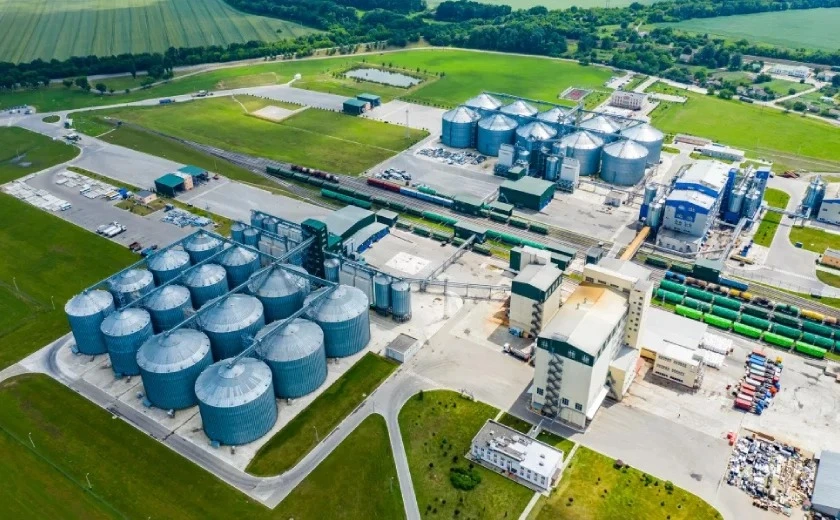
- Plant Layout Design: A typical plant includes digesters, purification units, compression stations, storage tanks, and administrative facilities. Efficient material flow and safety are key considerations.
- Feedstock Handling Facilities: Segregation, storage, and preprocessing units ensure consistent biogas production.
- Digester Design: Digesters can be batch or continuous, designed according to feedstock volume, retention time, and temperature requirements. Automated monitoring ensures optimal operation.
- Purification and Compression Units: Selection depends on plant capacity and desired methane purity. PSA and membrane systems are widely used in medium to large-scale plants.
- Storage and Distribution: High-pressure cylinders or bulk tanks are used, with safety measures including gas leak detectors and fire suppression systems.
- Integration with Distribution Networks: The plant is connected to CBG refueling stations or industrial consumers for efficient utilization of the produced fuel.
- Safety and Environmental Measures: Effluent treatment systems, emission control, and occupational safety protocols ensure compliance with regulations and environmental protection.
Comparison Between Biogas, CBG, and CNG
| Feature / Fuel Type | Biogas | Compressed Biogas (CBG) | Compressed Natural Gas (CNG) |
| Source | Organic waste: crop residues, animal dung, municipal waste | Upgraded biogas purified from raw biogas | Fossil fuel: natural gas fields |
| Methane Content | 55–65% | 90–98% | 90–98% |
| Renewability | Renewable | Renewable | Non-renewable |
| Purity | Low (contains CO₂, H₂S, moisture) | High (CO₂, H₂S, moisture removed) | High (mostly methane) |
| Storage & Transport | Cannot be stored long-term; used near production | Stored in high-pressure cylinders/bulk tanks | Stored in high-pressure cylinders or pipelines |
| Applications | Cooking, small-scale heating, lamps | Automotive fuel, industrial boilers, domestic use | Automotive fuel, industrial boilers, power generation |
| Environmental Impact | Reduces waste; moderate emissions | Low emissions; renewable and clean | High carbon footprint; non-renewable |
| Economic Aspect | Low-cost, locally produced | Moderate cost due to purification and compression | High cost due to extraction and distribution |
| Safety Considerations | Flammable, lower methane content | Flammable; requires proper compression & leak safety | Flammable; requires strict pipeline & storage safety |
Applications of CBG
Automotive Fuel
- Used in buses, trucks, and cars as an alternative to petrol, diesel, or CNG.
- Reduces air pollution and greenhouse gas emissions.
Industrial Use
- Powers boilers, furnaces, and small industries.
- Can be used in combined heat and power (CHP) systems.
Domestic Use
- Cooking fuel for households.
- Heating applications in homes or small buildings.
Integration with Existing Infrastructure
- Can be supplied through CNG refueling stations.
- Compatible with pipelines and storage systems.
Environmental Benefits
- Reduces methane emissions from organic waste.
- Supports waste management and renewable energy initiatives
Advantages of CBG
Compressed Biogas (CBG) offers several benefits for energy, environment, and economy:
- Renewable and Sustainable
- Produced from organic waste, reducing dependence on fossil fuels.
- Environmentally Friendly
- Reduces greenhouse gas emissions and air pollution.
- Prevents methane release from waste into the atmosphere.
- Waste Management
- Converts agricultural, animal, and municipal waste into useful fuel.
- Energy Security
- Provides a local and reliable source of energy for transport, industry, and households.
- Economic Benefits
- Promotes rural employment in feedstock collection and plant operations.
- Reduces fuel costs in transportation and industry.
- Compatibility with Existing Infrastructure
- Can be used in existing CNG engines and refueling stations with minor modifications.
Government Initiatives and Policies on CBG
1.SATAT Scheme (Sustainable Alternative Towards Affordable Transportation)
Objective:
- To promote the production of CBG from agricultural residues, animal waste, and municipal solid waste.
- To create a circular economy by turning waste into clean fuel.
Key Features:
- Encourages private and public sector investment in CBG plants.
- Ensures a guaranteed purchase of CBG by Oil Marketing Companies (OMCs) such as Indian Oil, Bharat Petroleum, and Hindustan Petroleum.
- Supports waste-to-energy conversion, reducing methane emissions from organic waste.
Benefits:
- Provides a stable market for CBG producers.
- Reduces dependency on fossil fuels.
- Promotes rural employment and local energy generation.
2. Financial Support and Incentives
Objective:
- To reduce the capital cost of setting up CBG plants and make projects financially viable.
Key Features:
- Subsidies for plant construction and installation.
- Support for technology adoption, including purification and compression equipment.
- Priority lending from banks and financial institutions for renewable energy projects.
Benefits:
- Encourages entrepreneurs and farmers to invest in CBG production.
- Helps in scaling up renewable fuel production across India.
3. Policy and Regulatory Support
Objective:
- To provide a legal and regulatory framework for CBG production, distribution, and usage.
Key Features:
- CBG is included in renewable energy policies, giving it recognition alongside solar, wind, and bioenergy.
- Quality and safety guidelines ensure high-purity methane for fuel use.
- Supports integration with CNG infrastructure, making CBG usable in vehicles and industrial applications.
Benefits:
- Creates confidence for investors and industry stakeholders.
- Ensures standardized production and supply of CBG.
4. Infrastructure Development Support
Objective:
- To create facilities and distribution networks for CBG.
Key Features:
- Support for setting up CBG refueling stations.
- Integration with existing CNG pipelines and stations.
- Technical assistance for storage, compression, and safety systems.
Benefits:
- Makes CBG accessible to consumers.
- Encourages widespread adoption in transportation and industrial sectors.
5. Environmental Goals and Waste Management
Objective:
- To use organic waste for renewable energy production.
Key Features:
- Focus on methane emission reduction from agricultural, animal, and municipal waste.
- Supports India’s climate action targets and clean energy goals.
- Promotes circular economy by converting waste into fuel.
Benefits:
- Reduces environmental pollution.
- Generates sustainable energy while managing waste efficiently.
Challenges in CBG Adoption
Although Compressed Biogas (CBG) is a clean and renewable fuel, its adoption faces several technical, financial, and operational challenges. Understanding these challenges is important for improving production, distribution, and usage.
1. High Initial Investment
- Setting up a CBG plant requires digester systems, purification units, compression equipment, and storage tanks, which are costly.
- Financial support exists, but small entrepreneurs may still find it expensive to start.
2. Feedstock Availability
- Continuous supply of organic waste is essential for steady CBG production.
- Seasonal variation in agricultural residues or irregular municipal waste collection can affect plant performance.
3. Technology and Purification
- Purifying raw biogas to produce high-purity CBG requires advanced technology like PSA (Pressure Swing Adsorption), water scrubbing, or membrane separation.
- Maintenance and operation expertise are needed for consistent methane quality.
4. Infrastructure Limitations
- Limited CBG refueling stations and compression facilities restrict widespread use in vehicles.
- Integration with existing CNG networks is still in the early stages in many regions.
5. Regulatory and Policy Challenges
- Though government support exists, navigating clearances, approvals, and quality standards can be time-consuming.
- Small-scale producers may find policy compliance complicated.
Conclusion
Compressed Biogas (CBG) is emerging as a clean, renewable, and sustainable fuel that can play a vital role in India’s energy transition. It not only provides an alternative to fossil fuels but also helps in waste management, rural development, and environmental protection.
Through the anaerobic digestion of organic waste, CBG plants convert agricultural residues, animal dung, and municipal waste into high-quality biogas, which is then upgraded and compressed for various applications such as transportation, industrial fuel, and household energy.
Government initiatives like the SATAT Scheme have created strong policy support and market opportunities for entrepreneurs and industries to invest in CBG production. However, challenges such as high setup costs, limited infrastructure, and lack of awareness need to be addressed to ensure large-scale adoption.
The future prospects of CBG are highly promising. With continuous improvements in technology, better financial support, and increasing public awareness, India can achieve a self-reliant green energy ecosystem. CBG represents a perfect example of how waste can be turned into wealth — promoting clean energy, job creation, and a sustainable environment.